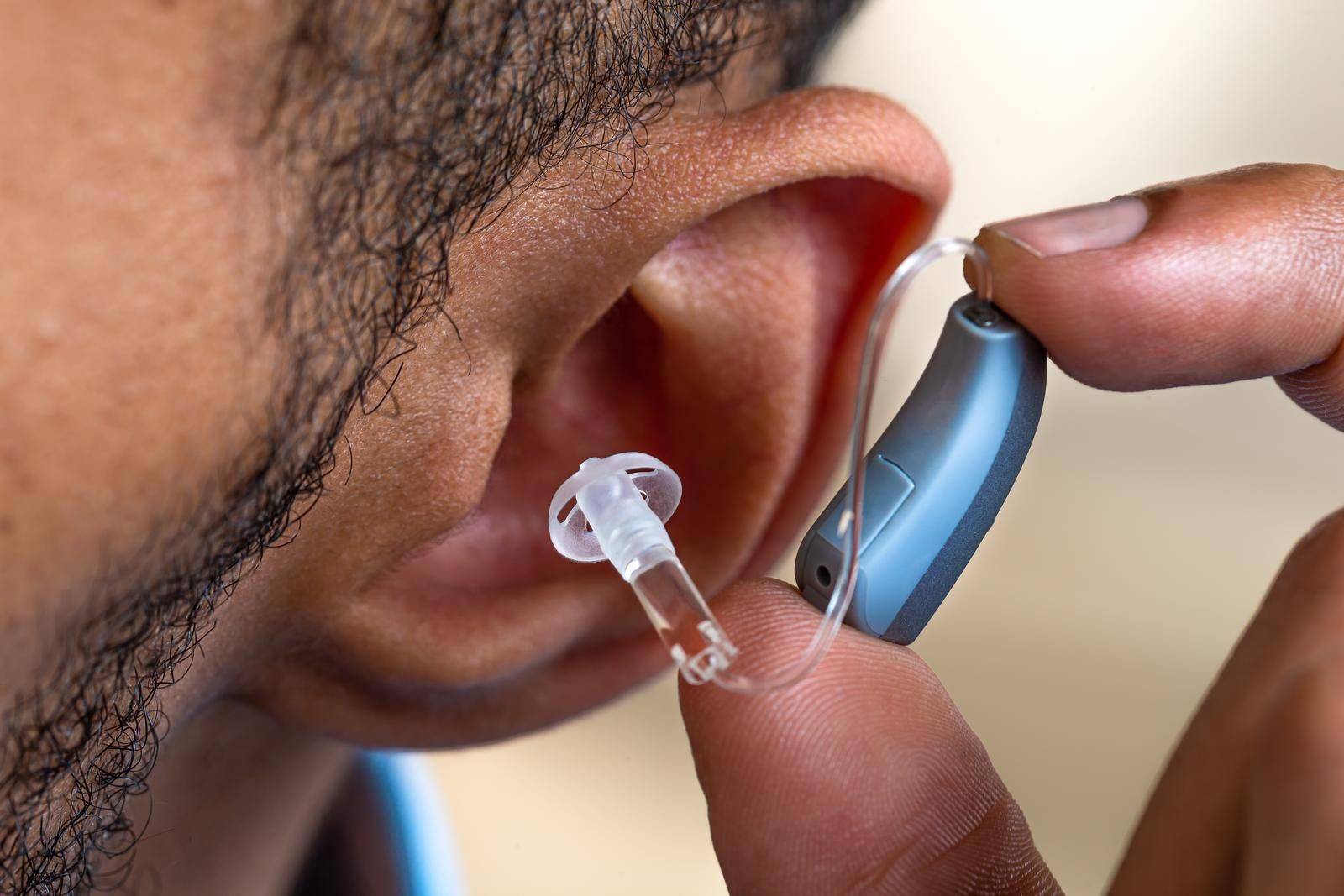
Why Do My Hearing Aids Whistle? Causes and Solutions
A high-pitched whistle from your hearing aids can interrupt conversations and make listening frustrating. This sound, known as acoustic feedback, occurs when amplified sound escapes your ear and returns to the hearing aid’s microphone.
Common causes include poor fit, earwax buildup, incorrect amplification settings, or a device that needs cleaning or repair. Understanding why your hearing aids whistle can help you determine what to check at home and when to seek professional help.
Why Do Hearing Aids Whistle?
Hearing aids whistle when amplified sound creates a loop between the device’s receiver and microphone. Brief feedback may occur when inserting or removing a hearing aid, adjusting its position, or placing a hand near the microphone. Occasional whistling does not always indicate a problem, but frequent feedback may require attention.
1. Poor Fit or Incorrect Positioning
A loose dome, poorly fitted earmold, or incorrectly positioned hearing aid can allow amplified sound to leak out of the ear canal and return to the microphone. Fit can also change as components wear or the shape of your ear changes.
What to do: Reposition the device according to the manufacturer’s instructions. If it continues to whistle, an audiologist can assess the fit and determine whether a different dome, earmold, or adjustment is needed.
2. Earwax Buildup
Excessive earwax can block the ear canal and interfere with hearing. Wax accumulating on a hearing aid microphone or receiver can also affect sound quality and device performance. Depending on the circumstances, these issues may contribute to feedback or muffled sound.
What to do: Check for visible wax on the device and clean it using the manufacturer’s recommended tools. Avoid inserting cotton swabs or other objects into your ear canal. An ENT specialist can examine your ears and recommend safe removal if wax buildup is contributing to the problem.
3. Volume or Programming Issues
Higher amplification can make acoustic feedback more likely, particularly when the hearing aid does not fit securely. Changes to listening programs or hearing needs may also affect performance.
What to do: If whistling starts after a settings change, return to your usual setting if comfortable. Ask your audiologist to review the programming if the problem persists rather than routinely lowering the volume and reducing the benefit of your hearing aids.
4. Dirt, Moisture, or Device Damage
Wax, moisture, loose tubing, worn components, or a malfunctioning microphone or receiver can affect how a hearing aid works. Feedback that begins suddenly after the device has been working normally may indicate a maintenance issue.
What to do: Inspect the device for visible damage or loose parts and follow the approved cleaning instructions. If you cannot identify or resolve the issue, arrange a professional inspection.
How Can You Stop Hearing Aids from Whistling?
Start by checking the fit, visible debris, and recent settings changes. Notice when the sound occurs: feedback during insertion or movement may point to positioning, while persistent whistling may indicate a fit, programming, or device problem.
Avoid forcing the hearing aid deeper into your ear, using unapproved cleaning products, or making major programming changes without guidance. If these basic checks do not resolve the issue, an audiologist can identify the likely cause and recommend the appropriate adjustment or repair.
When Should You See an Audiologist or ENT Specialist?
Schedule an appointment if the whistling continues, repeatedly interrupts conversations, or makes your hearing aids difficult to use.
An audiologist can assess the fit, check device components, and review amplification settings. An ENT specialist may be appropriate if you also experience ear pain, drainage, persistent fullness, or suspected earwax blockage.
Seek prompt medical evaluation for sudden hearing loss, especially in one ear or when accompanied by new dizziness. Do not assume a sudden change in hearing is simply a hearing aid malfunction.
Frequently Asked Questions About Hearing Aid Whistling and Feedback
Is it normal for hearing aids to whistle occasionally?
Yes. Brief feedback can happen when you insert or adjust a device. Frequent or persistent whistling should be assessed to identify the cause.
Can earwax make hearing aids whistle?
Yes. Wax in the ear canal or on hearing aid components can interfere with sound and device performance. An examination can help determine whether buildup is responsible.
Should I stop wearing whistling hearing aids?
Not necessarily if the feedback is brief and resolves with repositioning. Stop using a device that causes pain or irritation and seek advice if the whistling persists.
Can an audiologist fix hearing aid feedback?
Often. Depending on the cause, an audiologist may adjust the fit or programming, inspect the device, or recommend maintenance or repair.
Hearing Aid Services in Rochester Hills and Sterling Heights, Michigan
Persistent hearing aid whistling can affect your listening experience and make everyday conversations more difficult. If your hearing aids continue to produce feedback despite basic troubleshooting, a professional evaluation can help identify the cause.
At ENT Care of Michigan, patients can access comprehensive audiology and hearing aid services, including hearing evaluations, hearing aid fittings, programming, and adjustments.
We serve patients in Rochester Hills, Sterling Heights, Waterford, and surrounding Southeast Michigan communities.
Whether you're experiencing hearing aid feedback, need hearing aid adjustments, or have concerns about your device's performance, our team can help you explore appropriate solutions.
Visit our audiology services page to learn more or call 248-254-8900 to ask about scheduling an appointment.