Mole Removal & Mole Therapy in Rochester Hills, MI | Expert Guide
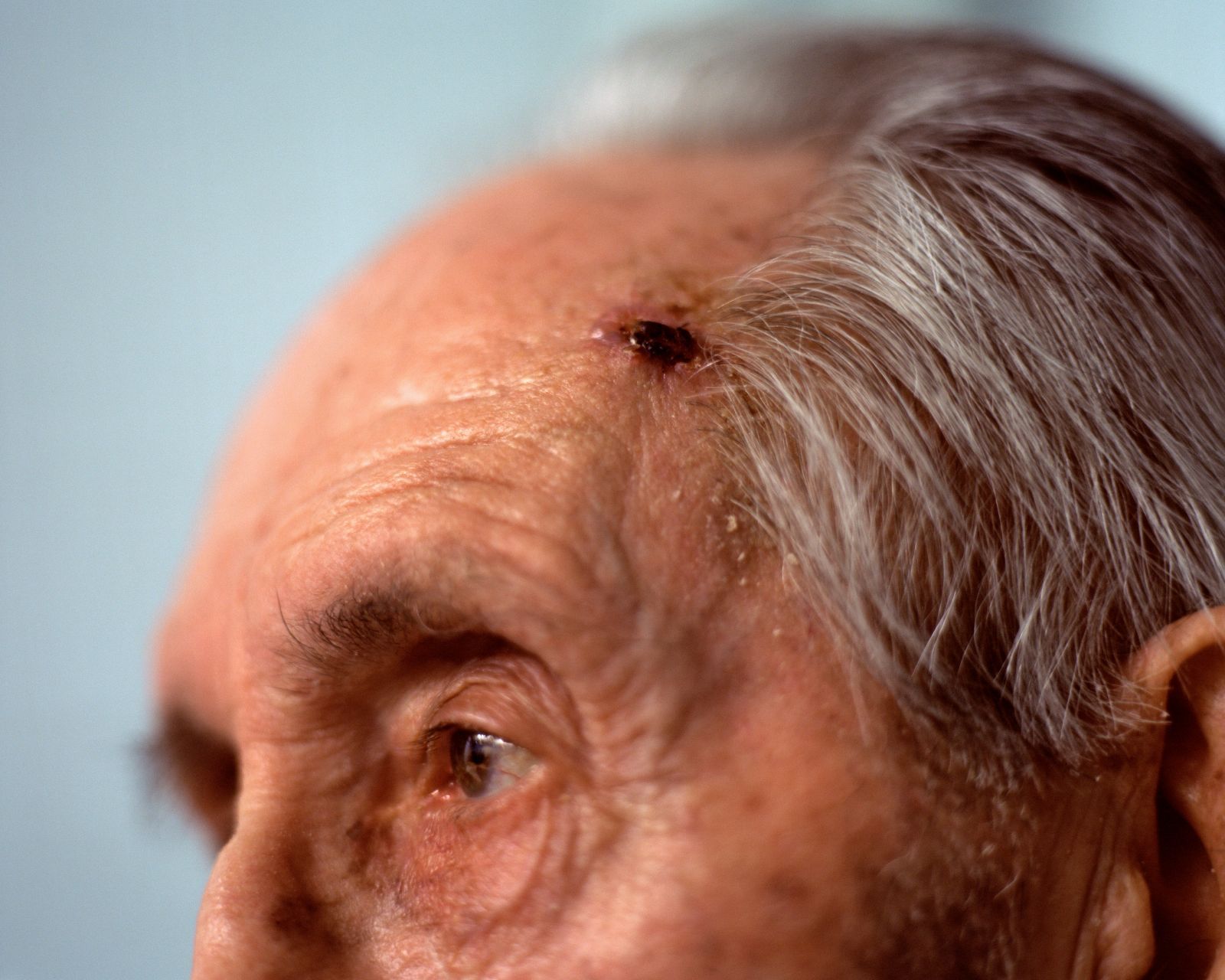
Moles are extremely common, with most adults having between 10 and 40 moles on their bodies. While many moles remain harmless throughout life, others may become bothersome due to their appearance, location, irritation, or changes in size, shape, or color. A common question patients ask is: Should I remove a mole?
The answer depends on whether the mole is causing physical discomfort, cosmetic concerns, or shows signs that may require medical evaluation. Understanding the signs of an abnormal mole and the available mole therapy and mole removal options can help you make informed decisions about your skin health.
What Is Mole Therapy?
Mole therapy refers to the professional evaluation, monitoring, and treatment of moles that may require medical attention or cosmetic removal. Depending on the appearance of the mole and your individual needs, mole therapy may involve observation, biopsy, or a mole removal procedure.
The goal of mole therapy is to identify potentially concerning skin changes early while providing safe and effective treatment for benign moles that cause discomfort or affect self-confidence.
When Should a Mole Be Removed?
Not every mole requires treatment. However, you should consider scheduling a professional evaluation if a mole:
- Changes in size, shape, or color
- Develops irregular or uneven borders
- Becomes itchy, painful, or starts bleeding
- Frequently catches on clothing, razors, or jewelry
- Causes cosmetic concerns that affect your self-confidence
A healthcare provider can determine whether the mole appears benign or if additional testing, biopsy, or removal is recommended.
How to Tell If a Mole Is Concerning: The ABCDE Rule
One of the easiest ways to
monitor moles at home is by following the ABCDE rule:
- A – Asymmetry: One half of the mole doesn't match the other.
- B – Border: The edges are irregular, jagged, or poorly defined.
- C – Color: The mole has multiple colors or uneven pigmentation.
- D – Diameter: It is larger than approximately 6 millimeters (about the size of a pencil eraser).
- E – Evolving: The mole changes in size, shape, color, texture, or symptoms over time.
If you notice any of these warning signs, seek medical evaluation promptly.
Mole Therapy and Mole Removal Treatment Options
Depending on the type of mole and your treatment goals, your provider may recommend one of several treatment options.
- Shave excision: A raised benign mole is carefully shaved off at the skin's surface. This is a common option for many noncancerous moles.
- Surgical excision: The mole and a small margin of surrounding tissue are removed. This method is commonly recommended when the entire lesion needs to be examined.
- Punch excision: A circular surgical instrument removes the mole along with deeper layers of tissue.
- Laser treatment: In select cases involving superficial benign lesions, laser treatment may be considered.
Your healthcare provider will recommend the mole therapy approach that best fits your individual situation.
Can I Remove a Mole Myself?
No. Attempting to cut off a mole at home is strongly discouraged.
DIY mole removal can lead to significant bleeding, infection, scarring, incomplete removal and delayed diagnosis of
skin cancer.
Even if a mole appears harmless, only a qualified healthcare professional can properly assess whether it requires further testing. Removing it yourself could eliminate important tissue needed for diagnosis if the mole turns out to be suspicious.
Mole Removal Pens: Do They Work?
Mole removal pens have become increasingly popular online, often marketed as quick and painless solutions. However, these products should be approached with caution.
Many of these products use electrical energy or chemical agents to burn away the surface of the lesion. While they may appear effective in removing visible tissue, they come with several concerns:
- They cannot determine whether a mole is cancerous.
- They may not remove the entire mole.
- They can cause burns, infections, and permanent scarring.
- They may alter the tissue, making future evaluation more difficult.
Because of these risks, professional mole therapy is generally a safer and more effective option.
Do Moles Come Back After Removal?
Sometimes. Whether a mole returns depends largely on how it was removed. If mole cells remain beneath the skin after a shave procedure, the mole may gradually reappear. Surgical excision, which removes deeper tissue, generally has a lower chance of recurrence.
A returning mole is not always cause for alarm. However, if a mole grows back or looks different than before, it should be evaluated by a healthcare professional.
Will Mole Removal Leave a Scar?
Any procedure that affects the deeper layers of the skin has the potential to leave a scar. The extent of scarring depends on factors such as:
- The size and depth of the mole
- The removal technique used
- The location on the body
- Your skin's natural healing response
- How well you follow aftercare instructions
Proper wound care can help support optimal healing and minimize scarring.
Mole Removal and Mole Therapy in Rochester Hills, Michigan
Most moles are harmless and never require treatment. However, any mole that changes, causes symptoms, or raises concerns deserves professional attention.
While at-home methods such as cutting off a mole or using mole removal pens may seem convenient, they carry unnecessary risks and should not replace proper medical care.
If you're wondering whether a mole should be removed, scheduling an evaluation with
ENT Care of MI can provide clarity and reassurance. Through safe, evidence-based mole therapy and mole removal treatments, you can make informed decisions that protect both your skin health and your peace of mind.
If you're looking for trusted mole removal in Rochester Hills, Michigan, professional evaluation is the safest first step toward understanding your treatment options and receiving personalized care.