Mohs Reconstruction Scar Healing: What's Normal and When to Be Concerned
If you've recently undergone Mohs surgery followed by reconstructive surgery, it's natural to wonder whether your incision is healing normally. Many patients worry about redness, swelling, firmness, or changes in the appearance of their scar during recovery.
The good news is that most scars improve significantly over time. During the healing process, it's completely normal to experience temporary redness, swelling, firmness, and changes in texture before the scar gradually softens and fades.
Why Is Reconstruction Needed After Mohs Surgery?
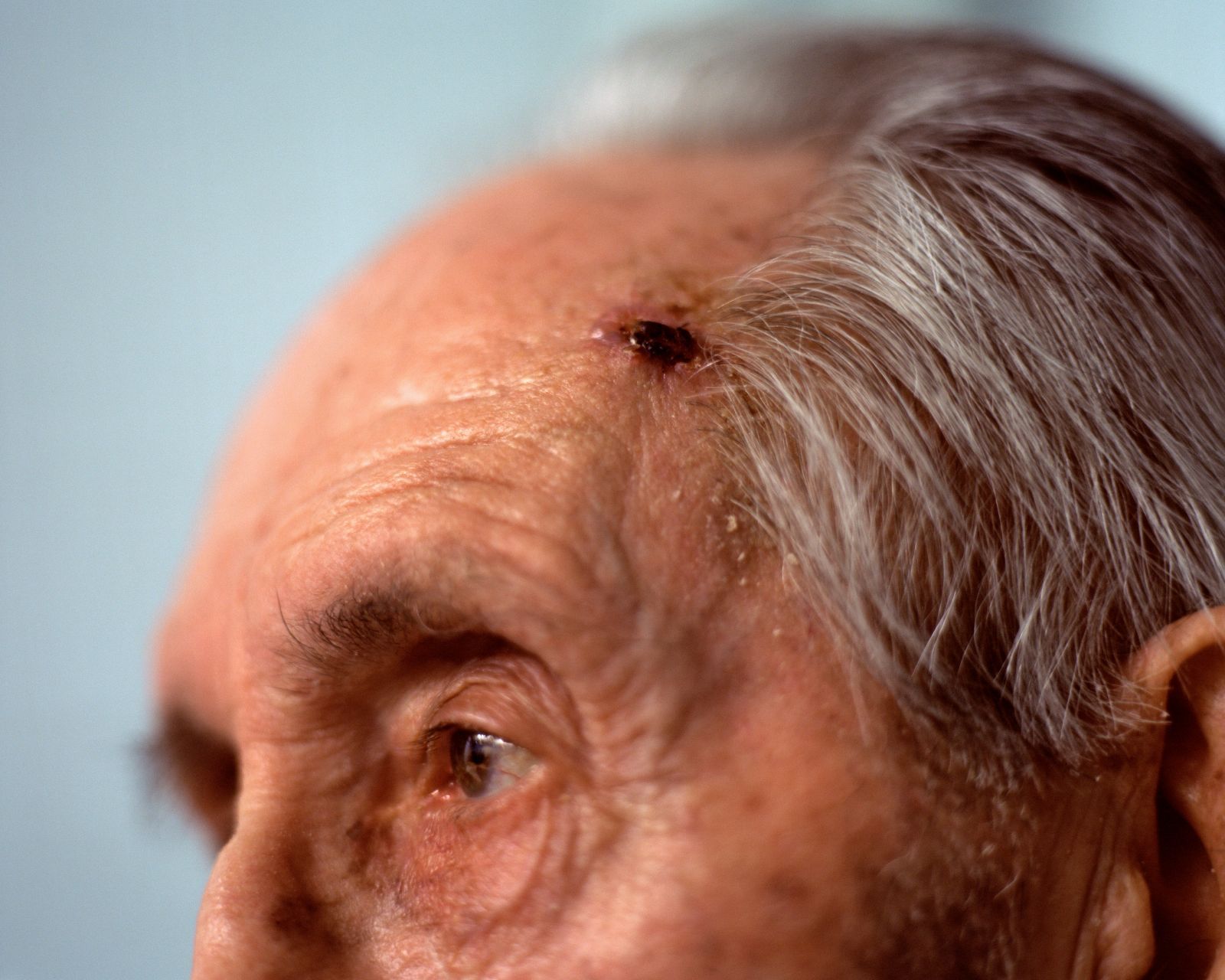
Mohs micrographic surgery is considered the gold standard for treating many types of skin cancer because it removes cancerous tissue while preserving as much healthy skin as possible. Depending on the size and location of the surgical site, reconstructive surgery may be recommended to restore both function and appearance.
Reconstruction can help restore both function and appearance by improving facial symmetry, protecting delicate structures such as the eyelids, nose, lips, and ears, promoting proper wound healing, and reducing the long-term visibility of scarring.
What Does Normal Scar Healing Look Like?
Most Mohs reconstruction scars go through several stages of healing. During the first few weeks, the incision may appear red, swollen, slightly raised, or firm to the touch. As your body produces new collagen to repair the incision, the scar may temporarily become more noticeable before it gradually begins to soften and fade.
Over the next several months, the scar gradually flattens, softens, and fades as it enters the scar maturation phase. While every patient heals differently, improvement often continues for six to twelve months after surgery.
What Is Not Normal?
Although most scars heal without complications, certain symptoms may indicate an infection or another healing complication that should be evaluated by your surgeon.
Contact your healthcare provider if you experience:
- Redness that continues to spread beyond the incision
- Pain that becomes worse after initially improving
- Thick yellow or green drainage
- Fever or chills
- A foul odor coming from the incision
- Significant wound separation
- Excessive bleeding
- Rapidly increasing swelling
Prompt evaluation can help prevent more serious complications and support proper healing.
Why Does My Scar Feel Hard?
A firm or lumpy scar is one of the most common concerns after Mohs reconstruction. In most cases, this firmness is simply a result of new collagen forming beneath the skin as part of the body's natural healing process.
Although the scar may feel harder than expected, the tissue usually softens over time as healing continues. If the area becomes increasingly painful, continues to harden, or changes unexpectedly, it's a good idea to contact your surgeon.
Is Redness Normal?
Yes. It's common for a healing scar to remain pink or red for several months because new blood vessels develop as the tissue repairs itself.
The redness gradually fades as healing progresses, especially with proper scar care. Protecting the area from sun exposure by wearing sunscreen and following your surgeon's recommendations can help reduce discoloration and improve the scar's long-term appearance.
How Can I Help My Scar Heal Better?
Supporting healthy scar healing starts with following your surgeon's postoperative instructions. Keeping the incision clean, avoiding unnecessary tension on the surgical site, protecting it from the sun, eating a balanced diet rich in protein, staying hydrated, and avoiding nicotine all help your body heal more effectively.
Once the incision has completely closed and your surgeon confirms it is safe, silicone gel or silicone scar sheets may be recommended to improve the scar appearance.
Can Scar Revision Improve the Final Result?
Most scars continue to mature for up to a year, so patience is often recommended before considering additional treatment. However, if a scar remains raised, thick, painful, tight, or cosmetically bothersome after it has fully healed, scar revision may be an option.
Depending on the appearance of the scar and your treatment goals, options may include:
- Steroid injections
- Laser therapy
- Scar massage
- Scar revision surgery
- Other minimally invasive treatments
Your surgeon will recommend the most appropriate approach based on your healing progress and treatment goals.
Frequently Asked Questions About Mohs Reconstruction and Scar Healing
How long does it take for a Mohs reconstruction scar to heal?
The incision itself usually heals within a few weeks, but the scar continues to mature and improve for approximately six to twelve months.
Will my scar go away completely?
No scar disappears completely. However, most become significantly less noticeable over time with proper healing, scar care, and sun protection.
Is itching a sign of healing?
Yes. Mild itching is a common part of the healing process and is usually a sign that the skin is repairing itself.
Can I wear makeup over my scar?
Most patients can wear makeup once the incision has completely healed and their surgeon has confirmed it is safe to do so.
When should I call my surgeon?
You should contact your surgeon if you notice increasing redness, worsening pain, drainage, fever, unexpected bleeding, or if the incision begins to separate.
Expert Mohs Reconstruction Care in Rochester Hills
Healing after facial reconstruction following Mohs surgery is a gradual process, and every patient's experience is unique. While some redness, firmness, and swelling are expected, recognizing the signs of normal healing—and knowing when to seek medical care—can help you recover with confidence.
At ENT Care of Michigan, our experienced facial plastic and reconstructive surgery team provides personalized care before, during, and after Mohs reconstruction. We proudly care for patients in Rochester Hills, Rochester, Troy, Auburn Hills, Oakland Township, and throughout Oakland County, helping them achieve the best possible functional and cosmetic outcomes.
If you have concerns about your healing, notice changes in your incision, or are considering reconstructive surgery after Mohs skin cancer treatment, schedule a consultation with ENT Care of Michigan at one of our locations. Our experienced facial plastic and reconstructive surgery team is here to help you achieve the best possible functional and cosmetic outcome.