How Long Do Hearing Aids Last? Signs It May Be Time to Replace Them
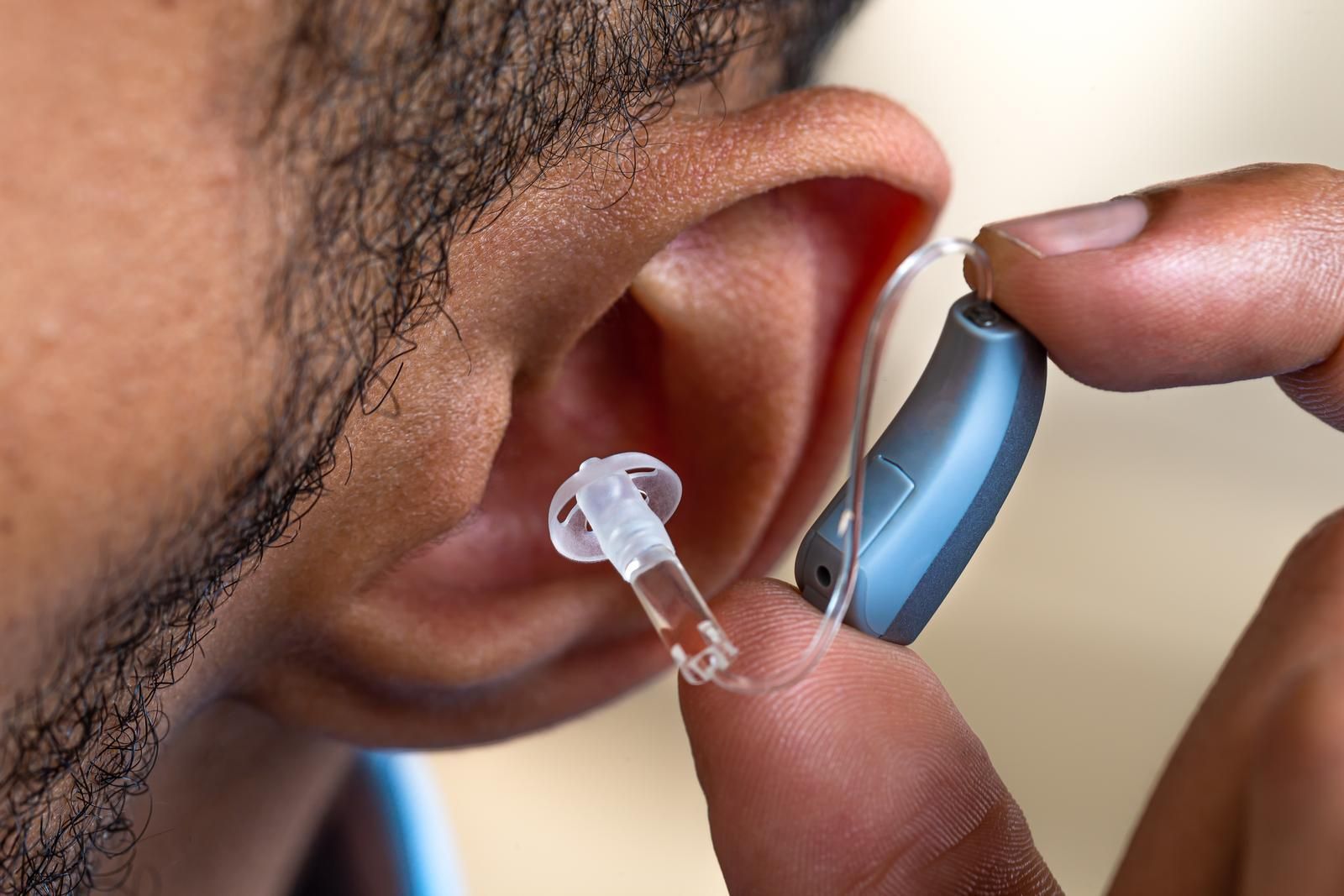
Hearing aids can make conversations, phone calls, television, and social activities easier for people with hearing loss. But like any electronic device, they do not last forever. Many hearing aids have a useful lifespan of about 3 to 7 years, although longevity can vary and some devices may last longer with proper care and maintenance.
There's no strict expiration date, but replacement may be appropriate when devices become unreliable, repairs are frequent or costly, or they no longer meet your hearing or lifestyle needs.
Signs You May Need New Hearing Aids
Age alone does not necessarily mean your hearing aids need to be replaced. However, certain warning signs suggest that it is worth having them evaluated.
1. Your Hearing Aids Need Frequent Repairs
One repair does not necessarily mean it is time for a new device. But if your hearing aids repeatedly stop working, require replacement parts, or develop recurring problems, replacement may ultimately be more practical than continued repairs.
2. You Still Struggle to Understand Speech
If you frequently ask people to repeat themselves despite wearing your hearing aids, schedule a hearing evaluation.
The problem may not be the hearing aids themselves. Your hearing may have changed, or your devices may simply need to be adjusted or reprogrammed. A hearing test can help determine whether your current amplification is still appropriate.
3. Your Hearing Aids No Longer Meet Your Lifestyle Needs
Your listening needs can change over time. An older hearing aid may have worked well when most conversations took place at home but may not provide the same level of support in restaurants, meetings, classrooms, places of worship, or other noisy environments.
Newer hearing aids may include improved features for managing background noise, directional listening, and connectivity, depending on the device and technology available.
4. Battery or Charging Performance Has Declined
Shorter battery life can make hearing aids less convenient and reliable.
For rechargeable hearing aids, declining battery capacity may eventually affect how long the devices can be used throughout the day. Disposable battery life varies depending on factors such as battery size, hearing aid use, and listening environments.
Before replacing your hearing aids, have them checked. Battery or charging problems can sometimes be resolved without replacing the entire device.
5. Your Hearing Aids No Longer Connect Reliably
Many people now use hearing aids with smartphones and other devices. If an older hearing aid has outdated connectivity or no longer works reliably with your smartphone or other devices, an upgrade may improve convenience and access to features you use regularly.
6. Your Hearing Has Changed Significantly
Hearing aids are programmed based on your hearing loss. If your hearing changes substantially, your existing hearing aids may no longer provide appropriate amplification. A new hearing test can help determine whether reprogramming is sufficient or whether replacement should be considered.
Can Hearing Aids Be Repaired Instead of Replaced?
Yes. A hearing aid that sounds weak, cuts out, or stops working does not automatically need to be replaced.
An audiologist or hearing professional can check for problems such as:
- Earwax or debris
- Blocked microphones or receivers
- Battery or charging problems
- Moisture damage
- Damaged components
- Software or programming issues
- Changes in your hearing
Cleaning, repairs, or reprogramming may restore your hearing aids' performance. However, if your devices are several years old and repairs are becoming frequent or expensive, replacement may make more sense.
How to Make Your Hearing Aids Last Longer
Proper care can help extend the useful life of your hearing aids.
- Keep them clean: Follow the manufacturer's cleaning instructions and ask your audiologist about professional cleaning.
- Protect them from moisture: Keep your hearing aids away from excessive humidity, water, and heat unless they are specifically designed for those conditions.
- Store them properly: When you are not wearing them, keep them in a safe, dry location according to the manufacturer's recommendations.
- Schedule regular hearing checks: Routine evaluations can identify changes in your hearing and determine whether your hearing aids need an adjustment.
When Should You Replace Your Hearing Aids?
There is no universal replacement schedule. Your hearing aids may be ready for replacement when:
- They are around 3–7 years old and their performance is declining.
- Repairs are becoming frequent or costly.
- Replacement parts are difficult to find.
- Your hearing has changed significantly.
- You need features your current hearing aids do not offer.
- They no longer fit comfortably.
- They have become unreliable.
The right decision depends on your hearing needs, lifestyle, and the condition of your devices.
When Should You See an Audiologist or ENT Specialist?
If your hearing aids are not working as well as they once did, the first step is not necessarily to buy new ones.
A hearing evaluation can determine whether the problem is caused by a change in your hearing, an issue with the device, earwax, or another ear-related condition.
An ENT specialist can also evaluate symptoms that may require further medical evaluation. Sudden hearing loss should be evaluated promptly because it may require urgent treatment. Hearing changes affecting only one ear, as well as hearing loss accompanied by ear pain, drainage, dizziness, or other concerning symptoms, should also be evaluated by a healthcare professional.
Get Expert Hearing Care in Michigan
ENT Care of Michigan provides ENT care for patients in Michigan, including locations in Waterford and Rochester Hills.
If your hearing aids are no longer performing as expected or you have noticed changes in your hearing, schedule a hearing evaluation with an audiologist or speak with an ENT specialist about the next steps.
You do not necessarily need new hearing aids simply because your current ones are several years old. A professional hearing evaluation can help determine the right next step for your hearing health.