Thyroid Surgery Near Me: Thyroidectomy Risks and Recovery in Southeast Michigan
If you’re searching for “thyroid surgery near me” in Southeast Michigan, you likely want clear answers about risks, recovery time, and what to expect.
A thyroidectomy is a safe and commonly performed surgery to remove part or all of the thyroid gland. Most patients recover within 1–2 weeks, and serious complications are rare when performed by an experienced thyroid surgeon.
Being told you may need a thyroidectomy can feel overwhelming. Patients throughout Southeast Michigan often have questions about why thyroid surgery is recommended, what the risks are, and how long recovery will take.
This guide explains thyroidectomy risks and recovery, so you know what to expect before surgery, after surgery, and during healing. This information is provided by experienced ENT and thyroid surgery specialists who routinely perform thyroidectomy procedures for patients across Southeast Michigan.
What Is a Thyroidectomy?
A thyroidectomy is a surgical procedure to remove:
- Part of the thyroid gland (partial thyroidectomy or lobectomy) or
- All the thyroid (total thyroidectomy)
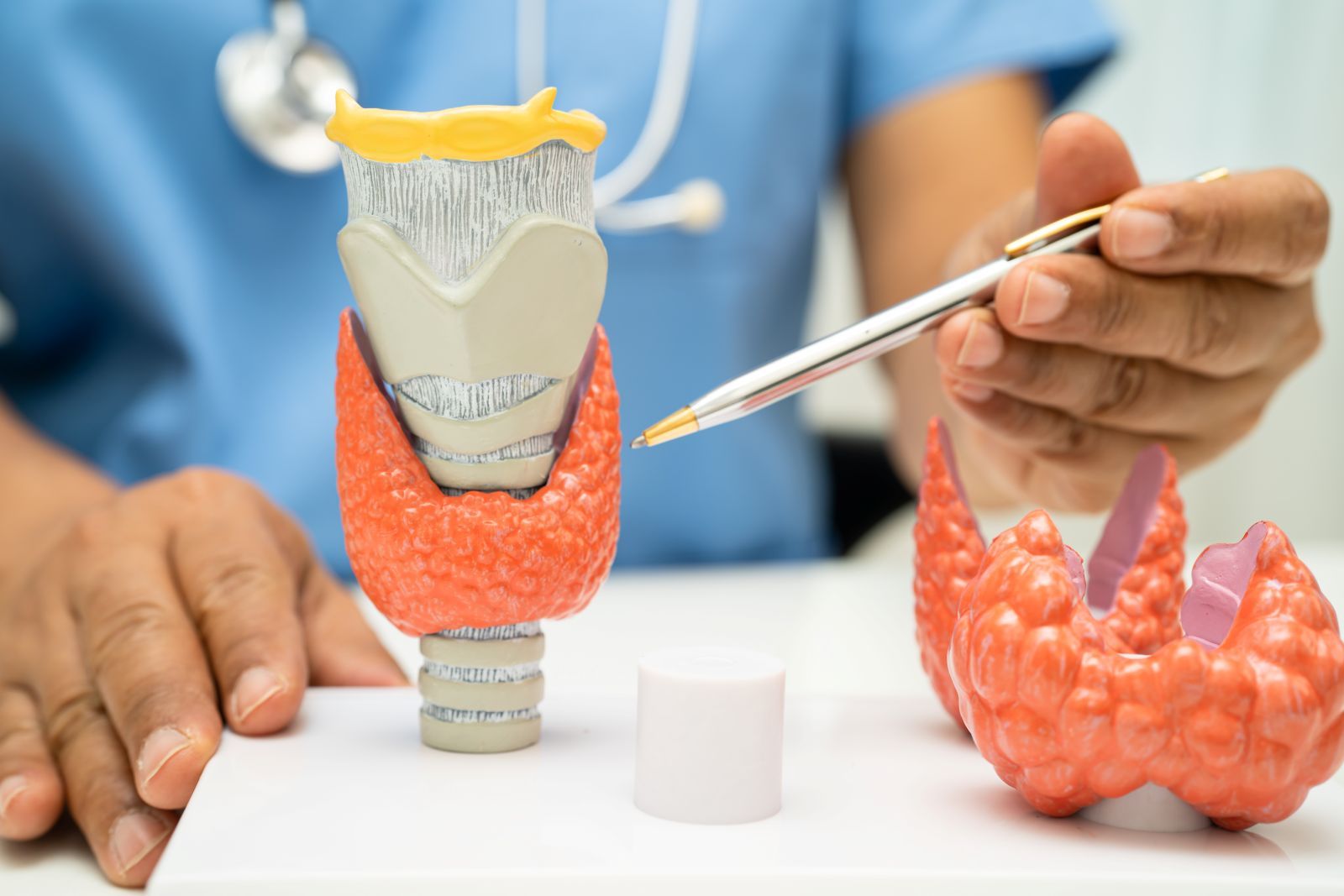
The thyroid is a small, butterfly-shaped gland located at the front of your neck. It produces hormones that regulate metabolism, energy levels, heart rate, and body temperature.
Why Would You Need a Thyroid Surgery?
Your ENT doctor or thyroid specialist may recommend thyroid surgery for several reasons, including:
- Thyroid nodules that are cancerous or suspicious
- Thyroid cancer
- Goiter (an enlarged thyroid causing pressure or swallowing difficulty)
- Hyperthyroidism that doesn’t respond to medication
- Recurrent or large symptomatic nodules
Before recommending surgery, an experienced surgeon carefully evaluates imaging studies, biopsy results, lab tests, and your individual symptoms.
What are the Risks of Thyroidectomy
Thyroidectomy is a common and generally safe procedure when performed by trained, experienced surgeons. However, like all surgeries, it carries some risks.
Common (Usually Temporary) Side Effects
- Neck soreness or stiffness
- Hoarseness or voice changes
- Swelling or bruising at the incision site
- Fatigue during early recovery
Less Common but Important Risks
- Voice changes due to irritation or injury to the vocal cord nerves
- Low calcium levels if parathyroid glands are affected (more common with total thyroidectomy)
- Bleeding or infection (rare)
Most complications are temporary, and serious complications are uncommon, especially when surgery is performed by experienced thyroid specialists.
How Thyroid Surgeons Minimize Surgical Risks
To reduce complications and improve outcomes, experienced thyroid surgeons:
- Use nerve-monitoring technology to protect the vocal cords
- Preserve parathyroid glands when possible
- Customize the surgery to remove only what is medically necessary
- Monitor calcium levels after surgery
Choosing an experienced thyroid surgery specialist can significantly lower complication rates and support a smoother recovery.
What to Expect Before Thyroid Surgery
Before thyroid surgery, patients typically undergo:
- Blood tests to check thyroid function
- Imaging studies such as ultrasound, CT, or MRI (if needed)
- Fine-needle biopsy when nodules are present
- Pre-operative medical clearance
You will also receive clear instructions about medications, eating and drinking restrictions, and what to expect on the day of surgery.
Thyroidectomy Recovery Timeline
Most patients return to normal activities within 1–2 weeks, with full healing over several weeks.
Immediately After Surgery
- Most patients return home the same day or after one overnight stay
- Mild neck discomfort or tightness is common
- Temporary hoarseness or throat soreness may occur
The First 1–2 Weeks
- Light activity is encouraged
- Avoid heavy lifting and strenuous exercise
- Follow incision care instructions carefully
- Fatigue is normal and improves gradually
Long-Term Recovery
- Many patients return to work within 1–2 weeks
- Voice changes usually resolve within several weeks
- The surgical scar fades over time and is often barely noticeable
If the entire thyroid is removed, thyroid hormone replacement medication will be prescribed and adjusted with follow-up blood tests.
When to Call Your Doctor After Thyroid Surgery
Contact your ENT doctor right away if you experience:
- Increasing neck swelling
- Trouble breathing or swallowing
- Tingling in fingers or lips (possible low calcium)
- Fever or signs of infection
- Persistent or worsening voice changes
Early treatment helps prevent complications and ensures a smoother recovery.
Thyroid Surgery Specialist in Southeast Michigan
If you’re looking for a thyroid surgery specialist near you, choosing an experienced ENT team is key to achieving the best outcomes.
At ENT Care of Michigan, we provide:
- Comprehensive thyroid evaluations
- Advanced surgical techniques
- Personalized recovery plans
- Ongoing follow-up care
We proudly serve patients across Southeast Michigan, helping you feel confident and supported every step of the way.
Schedule a Thyroid Consultation
If you’ve been diagnosed with a thyroid condition or advised to consider surgery, expert guidance matters.
Call 248-254-8900 today to schedule a consultation with a thyroid specialist in Southeast Michigan.3.20